Roofing consistently ranks among the most dangerous trades in construction — falls remain one of the leading causes of injury on residential jobsites. That's exactly why OSHA (the Occupational Safety and Health Administration) sets strict standards for fall protection, ladder use, and jobsite practices on every roofing project, and why the contractor you hire should take those standards seriously, not treat them as a checkbox.
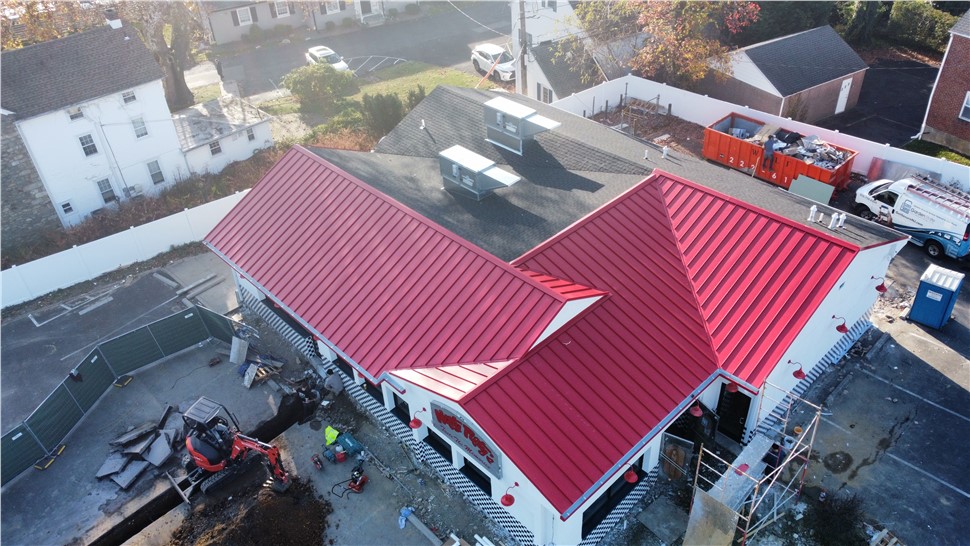
It's Not Just About the Crew — It's About Your Liability
If a worker is injured on your property and the contractor wasn't operating to OSHA standards, in some circumstances that liability can extend back to the homeowner. A contractor with real safety practices and proper insurance protects you as much as their own crew.What Compliant Jobsite Practice Actually Looks Like
Proper fall-protection equipment on every roof, correctly rated and secured ladders, marked-off work zones so debris and tools stay away from foot traffic, and crews trained on the specific hazards of the job they're doing that day — not generic safety talk, but practices applied to every roof, every time.Fewer Accidents Means Fewer Delays
Beyond the safety case, jobsite incidents cause project delays, insurance disputes, and complications that can drag a straightforward roof replacement out for weeks. A crew that works safely also tends to be the crew that finishes on schedule.It's Part of How We Operate, Not an Add-On
Safety compliance sits alongside our GAF Master Elite, CertainTeed, Velux, and Drexel Metals certifications and our BBB accreditation as part of the same standard: verified practices, not just a sales pitch.

Tags
Subscribe to United Veterans Roofing's Blog





Comments